
A staff member may make a mistake at a drug treatment center that leads to your loved one suffering a fatal withdrawal or overdose reaction.
However, under “vicarious liability,” it would usually be the parent company that owned the facility that would be financially liable in a wrongful death case.
Families could sue the employer to seek help with burial costs and to replace the income the loved one contributed.
To find out how families can hold large corporations fully liable, call us today or fill out a free case review form.
How Vicarious Liability Works for Drug Rehabs
When employees perform their duties, they represent their employers. It’s the simple legal concept behind vicarious liability.
It applies to drug rehab centers that are often owned by a parent business, equity firm, or non-profit. A drug rehab may be part of a large health care provider network.
Under vicarious liability, these companies and organizations can be held liable for a mistake by a staff member. It might be an employee who forgets to call 911 immediately upon finding an overdosing patient. It might be a nurse who makes a mistake with medication.
The concept of Respondeat Superior also plays into the liability. It means that an employee working within the scope of their duties who makes a mistake leaves an employer accountable.
California’s Civil Code (CCC) lays out the foundation for vicarious liability.
“Unless required by or under the authority of law to employ that particular agent, a principal is responsible to third persons for the negligence of his agent in the transaction of the business of the agency, including wrongful acts committed by such agent in and as a part of the transaction of such business, and for his willful omission to fulfill the obligations of the principal.”
A “principal” in this case could be a business owner or corporation. The “agent” would be the employee who made a careless error.
Employers can be responsible for:
- A staff doctor or Nurse
- Behavioral Health Technician or Substance Abuse Technician
- Counselors
- Security Personnel
- General Staff (e.g., housekeeping, cafeteria workers)
- House managers (in the case of a negligent Sober Living Home)
Why Sue the Drug Rehab Owner Instead of the Employee?
Individual doctors, counselors, and staff members can often be sued, but it’s often more advantageous for families to focus on filing against a rehab owner.
The owner is often a large company or corporation. These businesses will usually have a much bigger insurance policy to draw from than an individual could offer. The policy will generally have a much higher limit. This means it won’t run out before all of the family’s needs are met.
Families have a much better chance to win everything they need to start to rebuild their lives and protect their futures. This is especially important to the spouse and children of an overdose victim. They should not have to face financial harm in the years ahead.
See: Who Pays When a Drug Rehab Center Is Liable?
Support Available in a Wrongful Death Overdose
An experienced California rehab facility wrongful death lawyer goes to work immediately investigating what happened to your loved one and how a negligent facility contributed.
The evidence is used to back a strong case. And when a lawyer files that wrongful death claim on your family’s behalf, it also includes a full list of what that parent company or organization is responsible for. That means the current hardships your family is facing and the challenges coming in the years ahead.
- Money to cover funeral costs.
- Money to pay off remaining medical and emergency response bills. (often recovered through a Survival Action)
- Replacement of the paychecks a loved one may have supported the entire family with.
- Support for the loss of care, protection, security, and companionship a loved one will no longer be around to provide.
- Loss of companionship support for parents who lose a precious child at an adolescent rehab facility or group home.
- Support for special life moments that will go on without a precious loved one’s presence. This includes family gatherings, weddings, graduations, and the birth of children.
Contact Us if Your Loved One Was Allowed to Die in a Drug Rehab
A patient who dies while in the care of a drug rehab facility is not at fault. Facility owners and staff accepted the responsibility to treat and protect a vulnerable SUD patient and failed.
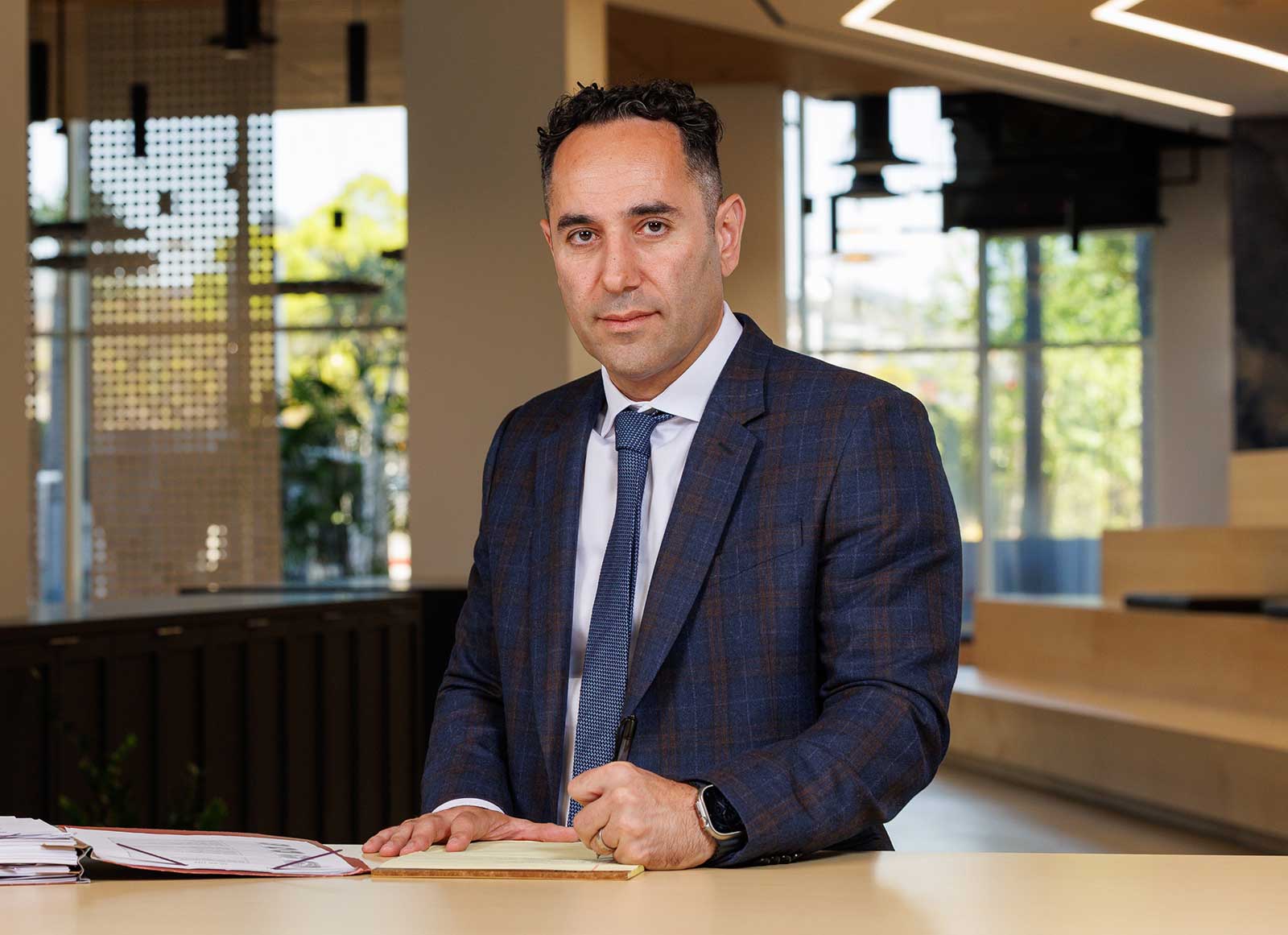
Attorney Martin Gasparian offers a free, confidential consultation to families who lost a loved one. It’s a no-risk, no-obligation way to find out what a wrongful death case would be worth and how to hold a negligent treatment center fully responsible.
Remember, there are no upfront costs to you and your family if you need to hire a lawyer. We aren’t paid unless we win your case for you. Then our fee comes out of the settlement check a negligent facility must write.