
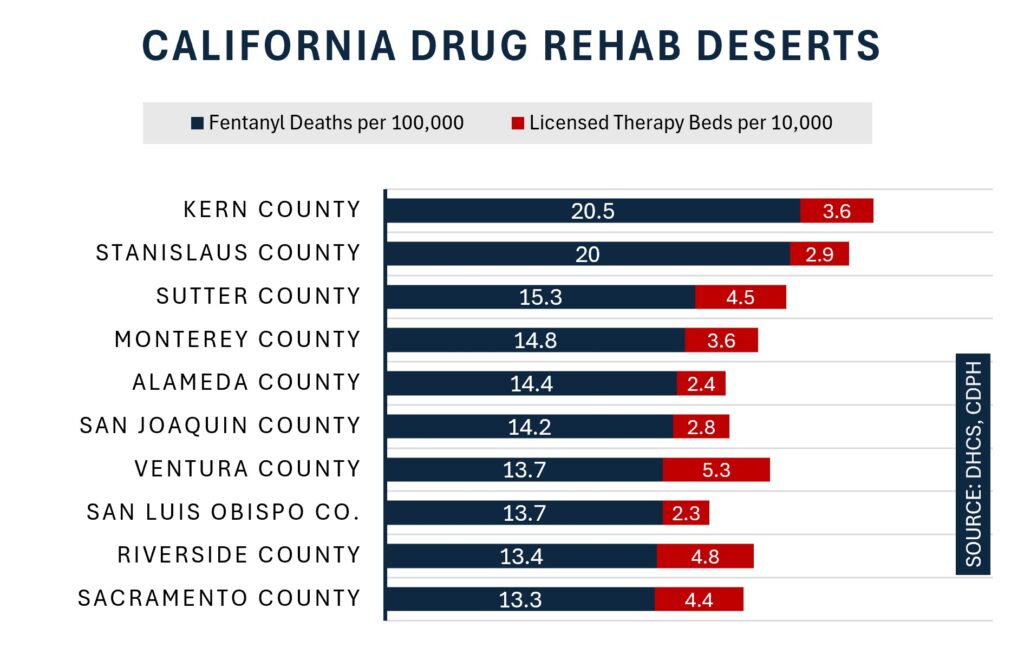
California Fentanyl Treatment Deserts
As difficult as recovery is, Opioid Use Disorder patients can make full recoveries. But they often need full medical support, professional therapy, and clinical staff to complete this tough journey. However, in California counties with few licensed rehab facilities, searching for quality rehab care can feel like walking in a desert. In some spots, there are no fentanyl treatment centers
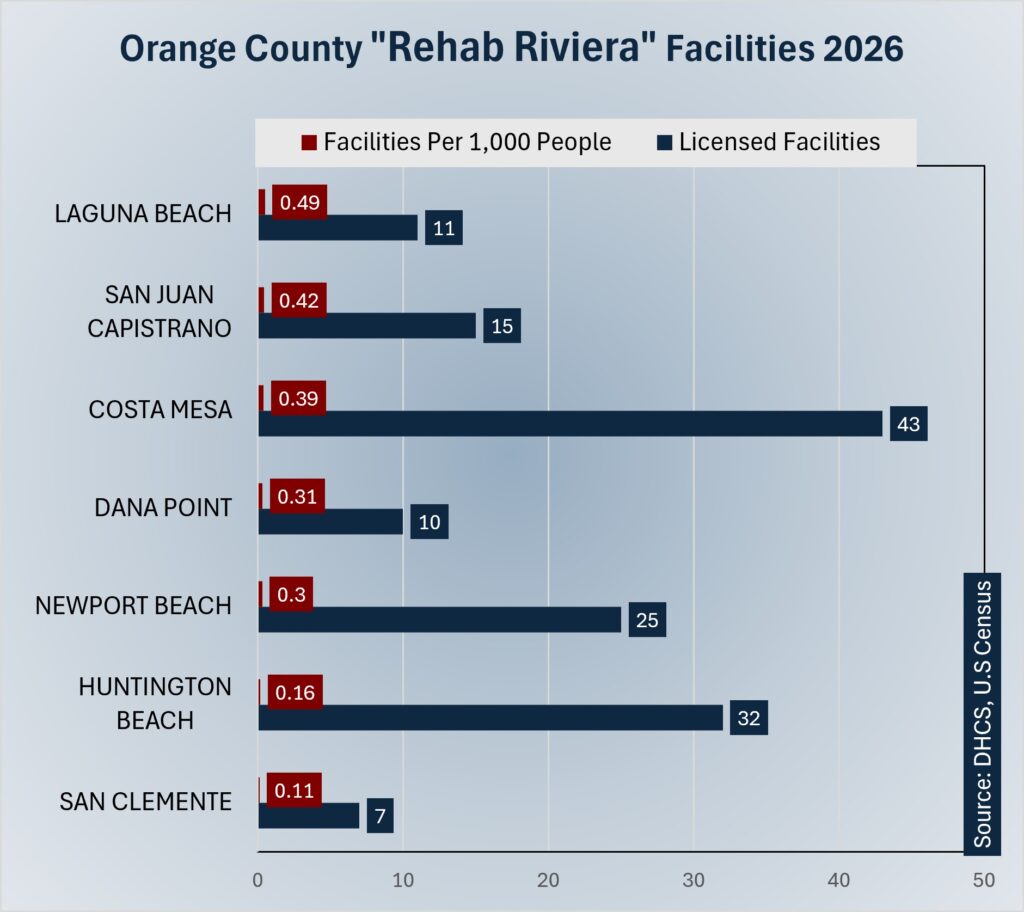
The Rehab Riviera: A History
The “Rehab Riviera” is a term given to the coastal area of Orange County. It’s a negative nickname to describe a string of cities that quickly became the preferred landing spots for dozens of drug rehab providers. The Orange Coast is definitely a beautiful setting, and there are plenty of recovery beds available. But the sunshine and the resort vibes
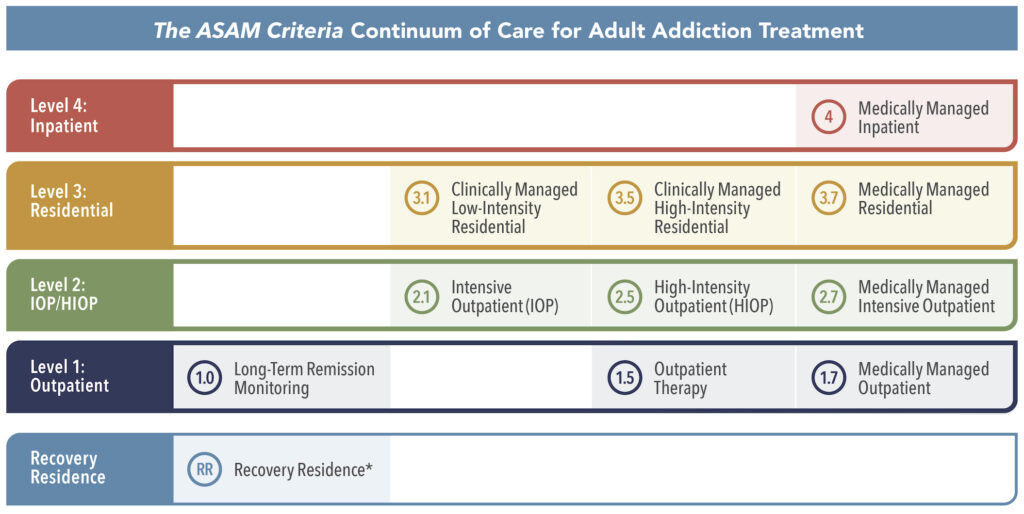
ASAM Levels of Care, Translated for Families
California’s Department of Health Care Services licenses all eligible drug rehab facilities in the state. But as part of that licensing process, rehabs must also follow the ASAM Levels of Care. The Levels of Care help facilities assess a patient’s condition and needs to make sure they receive the proper level of care for their unique conditions. Facilities that fail

You Pay Nothing Upfront: Contingency Fees in Wrongful Death Cases
To make sure any family who loses a loved one while in drug rehab can afford legal representation, lawyers usually work on a contingency basis. It means there are no upfront costs to hire a lawyer, and that the lawyer isn’t paid unless the case is won. Families are often more successful when lawyers handle these complex cases. They also

Rehab Death Lawyer vs. Medical Malpractice Lawyer: Who Handles These Cases?
Generally, families would want a lawyer who handles both standard negligence wrongful death cases and medical malpractice cases. A case against a negligent drug rehab could be framed as one or the other in some instances. However, there are limits to what families can earn in some medical malpractice cases, while standard negligence cases aren’t capped. A skilled wrongful death

How Rehab Centers Make Money
California drug rehabs usually earn profits from a patient’s insurance provider or from the patient’s family. Drug treatment programs may also be funded through public and county grants. When they accept this money, facility owners also accept full responsibility for extremely vulnerable patients. It means they are legally liable for patients who end up dying, and families can file wrongful

What is Body Brokering?
Body brokering is a harmful practice that allows drug rehab facilities to recruit patients and pay for referrals. Families can report facilities that engage in this illegal practice. Families can also file lawsuits when patient brokering contributes to the injury or tragic death of a loved one. For help in holding a negligent facility fully liable, contact an experienced attorney
How To Report Rehab Center Neglect in California
When drug rehab patients suffer harm in a facility that agreed to protect them, the patient is not at fault. Families can take action to hold a facility financially liable for the consequences of an overdose or a tragic suicide. Families can also report facilities that break the law and cause harm to the State of California to spark an
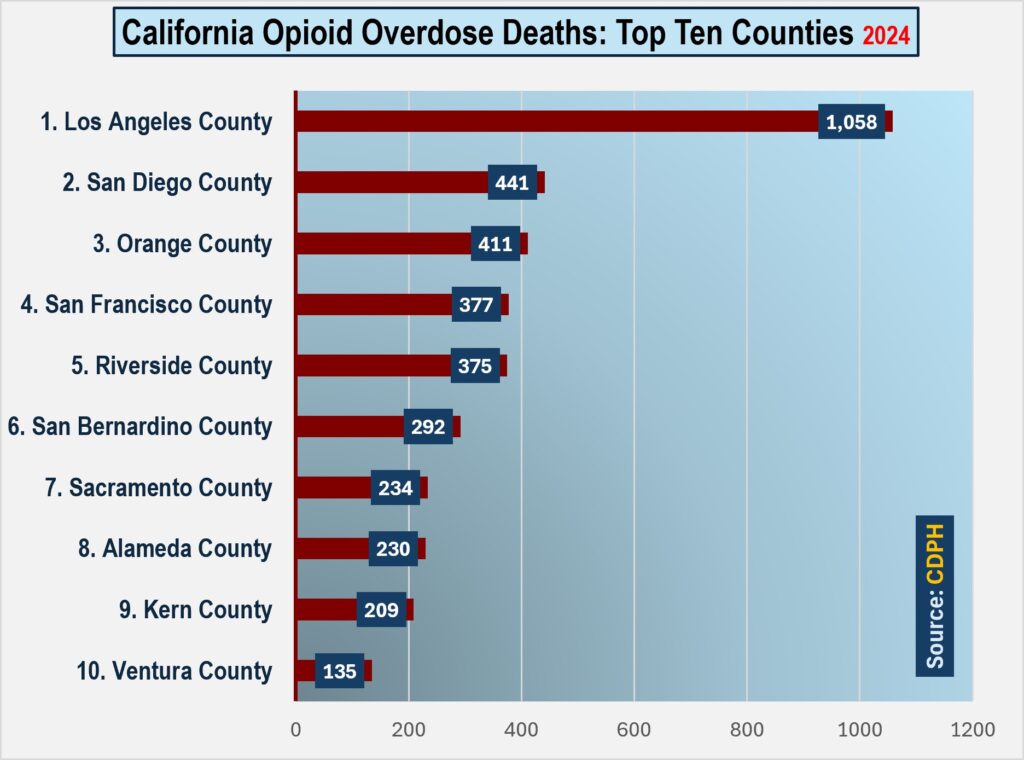
California Overdose Deaths by County: Annual Dashboard
California continues to lead the nation in drug overdose deaths by a lot each year. It’s a heartbreaking statistic. The CDC reported that California recorded just over 9,000 tragic deaths in 2024. Texas was the next closest state with almost 5,000 overdose deaths. Opioids are blamed for a large percentage of those tragic cases. According to the California Department of

The Two-Week Window: Why Overdose Risk Spikes After Detox
After being discharged, rehab patients are often much more susceptible to the effects of any drugs they’ve been off of during detox. During recovery and abstinence, their tolerance will be greatly reduced. If they suddenly overdose, the reaction can be faster with a greater risk of death. For many patients, this danger and the biggest risk of relapse often occur