
Drug rehabs are completely liable for the safety and well-being of the patients they accept.
When vulnerable patients are allowed unmonitored time and can manage to harm themselves or die from a tragic overdose, rehab owners should be held fully responsible.
If your loved one dies while in a Bay Area drug rehab facility, they are not at fault. To find out how to hold a negligent drug treatment center accountable for a tragic death, please contact us to schedule a free case consultation with a real lawyer.
When Does My Family Need a Lawyer?
If your loved one suffers a serious injury or is allowed to die in a rehab, and a staff member’s carelessness is to blame, you could probably benefit from a lawyer’s help.
Facilities may try to hide behind waiver forms, or blame the patient for a tragic outcome, but in many cases they are found fully responsible for a patient’s death.
A lawyer can collect evidence to prove this liability. A San Francisco Facility Wrongful Death Lawyer is also a safeguard when a facility’s team of lawyers attempts to chalk up an accident to an unpreventable “medical emergency.”
These are just a few of the protections a skilled San Francisco and San Jose attorney provides.
- Your lawyer fully investigates what happened to your loved one.
- Your lawyer secures strong evidence, even when facilities try to block access or conceal critical details.
- Your lawyer files your claim and takes on giant insurance companies, allowing your family to mourn in peace.
- Your lawyer meets the high-priced lawyers representing giant healthcare networks and the Luxury rehab facilities common in Marin County and the Bay Area
- Your lawyer is often able to secure much more for your family than they could win by handling a complex case themselves.
Rehab Facility Dangers in the Bay Area
Drug rehab facilities are under a legal duty of care to the patients. They accept patients in, agree to care for them, and accept payment. Patients are so vulnerable that virtually anything that happens to them can be shown to be the facility’s fault.
State laws (HSC 11834.), health standards like the ASAM Criteria, and even the facility’s own promises (e.g., information on websites, brochures, and in verbal commitments) back up this duty.
But drug treatment clinics can fail in their promises and responsibilities to patients in these and other instances:
- Negligent security in keeping drugs like fentanyl and benzos out of a facility
- Failing to monitor patients and residents closely enough to catch withdrawal complications and fentanyl overdoses early enough
- Failing to hire qualified staff members
- Failing to maintain enough staff members to avoid understaffing
- Failing to react to a fentanyl overdose (benzo, cocaine, heroin) properly (e.g., failing to administer NARCAN, failing to call 911)
- Offering unsafe services that a facility isn’t licensed for and doesn’t have the qualified staff to administer
These and other failures can lead to a tragic outcome for your loved one. You may feel you are the only one speaking up about the inconsistencies in the story you’ve been told about how it happened. Don’t accept it, and don’t face this challenge alone. Allow a California Rehab Facility Wrongful Death Lawyer to stand up for your loved one and your family and seek justice.
See: How many drug rehabs are located in the Bay Area?
Licensing for Drug Rehabs and Sober Living Homes
California’s Department of Health Care Services (DHCS) handles the inspection and licensing of all drug rehab centers in the state. But some facilities don’t reach the level of care that requires a license and can operate without one.
Facilities that offer what’s known as incidental medical care and professional counseling, among other intensive services, must be licensed. This is the case for detox treatment centers, which must check vital signs, handle medications, and treat patients going through withdrawal.
Sober Living homes or transitional homes typically only offer room and board and peer support. Patients receive their medical care and therapy off-site. These facilities generally don’t have to be licensed.
A city-operated sober living home, like those in San Francisco, could leave the city government liable for any injury or death of a patient due to negligence.
The common denominator is that both licensed and unlicensed rehab businesses must accept responsibility for the safety and care of the patients or residents they allow in.
Luxury Rehab Home Risks
Luxury drug rehab facilities may charge a lot of money and provide posh surroundings, but they are still responsible for the safety of their patients.
These deluxe accommodations, sometimes known as executive recovery residences, can feature chef-prepared meals, pools, beautiful grounds, yoga and meditation classes. There are many examples of upscale facilities in Marin County in places like San Anselmo, San Rafael, and Novato.
Critics say that the problem is often with the unclear services provided by these facilities. Some in California are licensed, but can offer alternative therapies and access to treatment substances that aren’t approved for consumption in the U.S. They may also be understaffed to offer the monitoring they advertise, allowing bed checks to go unfulfilled and even having staffers forced to lie on monitoring logs.
Some deluxe rehab facilities aren’t licensed, but can offer some more intensive treatments that should be regulated by the DHCS. These advanced therapies and medical treatments could be administered by staff members who aren’t qualified. Luxury facilities can put Substance Use Disorder (SUD) sufferers at risk when they accept patients and their insurance money when they should really be treated in a more intensive program.
An experienced lawyer can help families prove the facility’s negligence and fight back against the corporate lawyers they’ll rely on to get them out of trouble.
Winning Support for Families After a Rehab Death
The tragic death of a loved one who was trying to start a recovery journey will devastate families. Unfortunately, the damage is much more than emotional. Close family members like a spouse and children can struggle financially within weeks and definitely in the years ahead.
That should never be allowed when a giant health care network, company, corporation, or organization is to blame.
An attorney would determine when a case was backed by sufficient evidence and file a claim, demanding these and other benefits for families:
- Money to cover funeral costs.
- Money to pay off remaining medical and emergency response bills.
- Replacement of the paychecks a loved one may have supported the entire family with.
- Support for the loss of love, guidance, security, and companionship a loved one can no longer provide.
- Support for the special life moments that will change forever, such as holiday gatherings, the birth of children, and weddings.
See: What family members can file a wrongful death claim in California?
City Ordinances Regulating Sober Living Homes
CA Health & Safety Code § 11834.25 (2025) gives sober living home operators the right to open in normal San Francisco, San Jose, and Marin County neighborhoods. Usually, the one stipulation is that they have six or fewer residents.
They can open up next door to most any single-family home. The code forces cities to treat them as any other home.
Cities can regulate where homes with more than six residents can operate. This often means that recovery homes with more people are kept out of single-family neighborhoods and restricted to certain sections of towns.
SAN FRANCISCO
San Francisco generally regulates transitional homes as normal residences, businesses, or health care providers, depending on the number of roommates and the services they offer. San Francisco has opened city-operated recovery houses, such as James Baldwin Place, a sober living transitional housing program. This leaves city officials liable for the quality of support patients get.
SAN JOSE
San Jose’s municipal code regarding group housing does generally restrict sober living homes with seven or more residents to conditional use in business districts, multi-family districts, and downtown zones.
MARIN COUNTY
San Rafael’s Municipal Code reads that licensed drug rehabs and boarding houses may need use permits and could be restricted to certain sections of the city.
Novato Municipal Code handles the different types of rehab facilities in a similar manner. Normal land-use rules apply.
Contact Us if a Bay Area Rehab Facility Caused Your Loved One Harm.
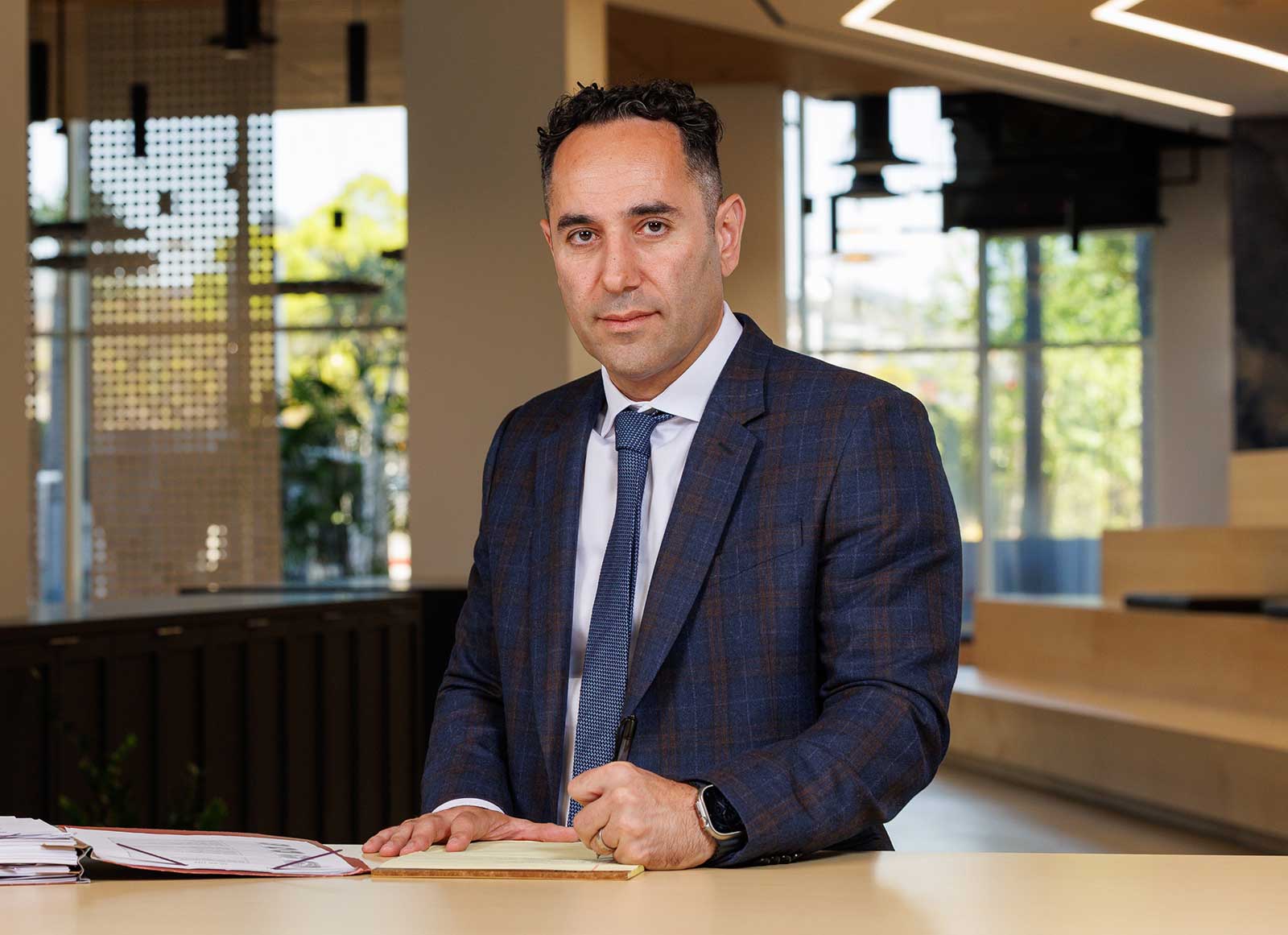
Attorney Martin Gasparian offers a free, confidential consultation to families who lost a loved one at any San Francisco, San Jose, or Marin County rehab facility. Find out how to hold a negligent drug rehab facility fully responsible for failing your loved one.
Call us today or fill out a free case review form. There’s no obligation, but if you need our help, we don’t charge your family anything upfront. If you hire us, we are only paid if we win the case for you. Then our fee comes out of the settlement check that a negligent facility must write for your family.