
Drug rehab facilities can fail in their duty to make routine bed checks on vulnerable patients. This negligence can allow a deadly overdose death.
“Q15 checks” refer to the established every 15-minute wellness checks prescribed in some facilities. For licensed facilities in California, there are no statewide standards for bed check intervals. The actual intervals for monitoring are determined in part by medical standards, the type of facility, and the needs of the patient.
However, when drug treatment centers break their own guidelines on monitoring, or ignore the specific needs of a patient, they can be held liable when a tragic overdose death occurs.
What Are Bed Checks in a Drug Rehab Setting?
“Bed checks” are a term usually applied to the repeated check-ins rehab staff members must make on patients over a set period of time. The monitoring duties are also known as “rounding.”
The intervals can vary, with patients in detox sometimes getting 24/7 monitoring, while more stable patients are checked on every 30 minutes or an hour.
The safety check-ins are supposed to confirm these factors and more:
- Signs of life. Making sure patients are breathing normally, especially while sleeping. Checking for signs of an overdose.
- Making sure patients take their medication, and haven’t purged their last dose.
- Making sure patients haven’t obtained contraband, including a drug like fentanyl, or weapons.
- Rounding logs should confirm their location in the facility and what they are doing.
- Regular medical exams and testing can be part of a bed check.
All of these important checks are often promised when families check their loved ones into a drug treatment center. When these promises aren’t kept, and when medical standards are ignored, facility owners need to be held accountable for the harm that comes to patients.
Proving a Facility Didn’t Monitor a Patient Closely Enough
The records kept on the check-ins with patients in a rehab facility can easily show gaps in monitoring. But when staff members don’t keep accurate records or even falsify their records, families will have a harder time proving that “bed checks” didn’t happen and contributed to a tragic overdose.
Some staff members at clinics have been caught lying on monitoring logs. There’s even a common practice of filling out logs ahead of prescribed checks, and then not bothering to go through with the bed check.
Families will need to seek further evidence when monitoring records are unreliable.
A skilled lawyer can also help them uncover difficult-to-obtain evidence from facilities:
- Rounding logs
- Surveillance video
- Medication records
- Hiring records to reveal any unqualified employees and evidence of understaffing
- The findings of an internal investigation
- Medical examiner’s autopsy and medicolegal death investigation report
- A coroner’s findings
The Overdose as Evidence That Bed Checks Didn’t Happen
Families are right to ask these questions:
- If bed checks were carried out, how did a loved one find the opportunity to obtain drugs and overdose?
- If bed checks were performed, how did an overdose victim go so long without being discovered and treated?
The overdose itself becomes evidence of a failure in monitoring.
A skilled lawyer can fight to ensure that the real story gets out and that a patient’s story isn’t covered up. A negligent rehab facility should face justice, and family members left behind deserve to be supported.
Support for Families After a Drug Rehab Fatal Overdose
Families who lose a loved one will be emotionally devastated. They can also face extreme financial pressure.
Funeral bills can come due all while the income a loved one may have provided to support the family is suddenly gone.
A spouse, children of the victim, and other family members can demand support through a wrongful death claim and a Survival Action:
- Money to cover funeral expenses
- Coverage of the emergency response fees and hospital bills left behind
- Replacement of the income the victim can no longer support loved ones with in the years to come
- Support for the emotional trauma the family will continue to experience
- Support for parents who lose a precious child at an adolescent rehab facility, covering their loss of companionship
See: Who can file a wrongful death claim after an overdose?
Contact Us if a California Rehab Facility Allowed Your Loved One to Overdose.
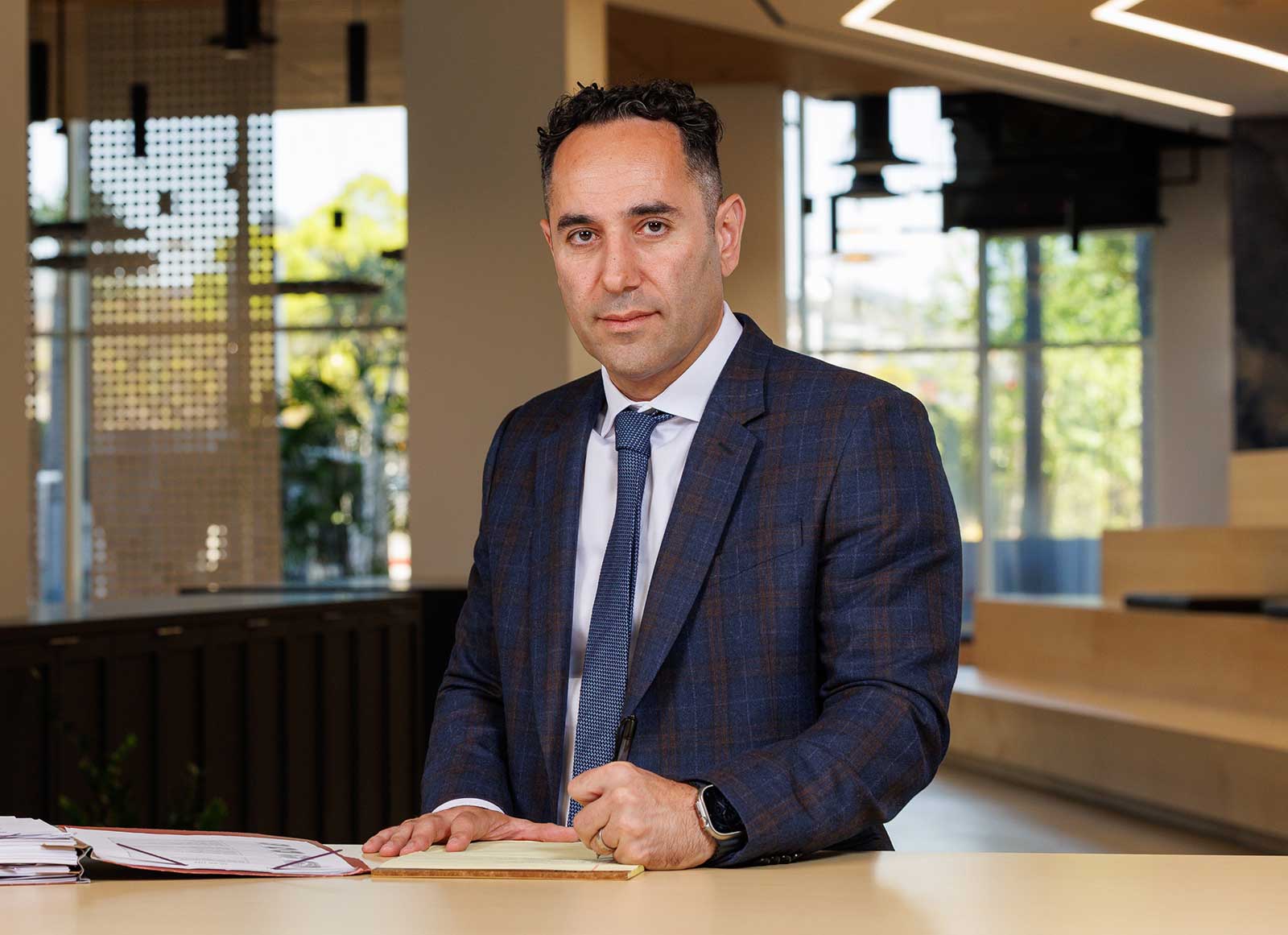
Attorney Martin Gasparian offers a free, confidential consultation to families who lost a loved one at a California rehab facility. There’s never any obligation for this informational session.
Call us today or fill out a free case review form.
Remember, if you need a lawyer to earn justice, you don’t have to find the money to hire one at such a difficult time. We are only paid if we win your case for your family. Then our fee comes out of the settlement check a drug care facility must write for your family.