
Negligence at an adolescent rehab facility can lead to a teenager’s death. That tragic death may be the result of understaffing, making full supervision and monitoring of young patients impossible.
It’s especially at risk at night, when profit-focused rehab owners feel they can safely cut staffing.
Parents are empowered to seek justice by proving that understaffing was a problem. Evidence would usually involve showing that there weren’t enough employees to properly monitor teens and respond to emergencies.
Understaffing Dangers at California Teen Drug Rehab Centers
As parents explore their options for getting help for a child, facility reps may promise 24/7 monitoring and a 100% drug-free environment. Unfortunately, centers with low staff numbers will naturally struggle to fulfill these promises.
Once the admission fee has been paid and intake occurs, teen Substance Use Disorder (SUD) sufferers can largely be left on their own. They may have adequate privacy to secure drugs. They may have time to overdose. They may suffer breathing issues or choking trouble before they’ve even been checked on once.
Understaffing practices by parent corporations for rehabs can leave already vulnerable minors unmonitored at higher risk of injury and death. Companies and corporations can be liable, and they can also be breaking certain state and federal guidelines.
The state acknowledges that child SUD patients require even more supervision and care. That’s especially true at night when there’s the chance for more concealment, and patients can appear to be asleep when they are actually unconscious. It’s a terrible time for owners and operators to reduce staffing simply to save money.
Staffing Laws for Adolescent Drug Treatment Centers
There are minimum staffing standards and staff ratios required in our state.
California Code of Regulations CCR Tit. 9, § 10615 goes into the expectations for inpatient teen rehab clinics.
Facilities must provide as many staff members as needed to meet the needs of vulnerable young patients. All employees are required to assist in making contact with patients routinely.
At night, the standard is as follows:
- From 10:00 p.m. to 7:00 a.m. there shall be at least one (1) staff member on site and awake.
But staffing requirements aren’t generally placed at a set number in California. The number of young patients, their particular needs, and the type of facility will determine how many staffers need to be staying overnight. That number can change.
Regarding nighttime hours, all facilities must have an emergency plan in place and the proper clinical staff on call.
Failure to follow these and other medical standards can leave adolescent facilities liable for assaults, overdoses, and other dangerous outcomes for SUD patients in recovery.
In some cases, evidence of a violation of a state code can make it easier for victims to prove negligence and secure support. Under Negligence Per Se, victims would simply have to prove a law was broken to hold a facility liable for an injury.
See: Liability when adolescent patients don’t receive the supervision they need
Evidence of Understaffing at a Teen Drug Treatment Center
Families trying to seek justice for the loss of a precious young life will need strong evidence of understaffing and other negligence.
Unfortunately, lawyers for a corporate owner of a facility can make getting their hands on evidence difficult. Much of the best evidence will be locked away in facility filing cabinets. However, a skilled attorney can help parents demand this information and even security footage through legal means.
This and other evidence would be key for proving a treatment center’s staffing issues contributed to a tragic death.
- Monitoring logs showing how long teenagers went without supervision.
- Bed check records showing how long a teen may have been experiencing an overdose, or attempting suicide before being discovered.
- The results of an internal investigation showing mistakes in how an accident was handled (e.g., 911 not called, NARCAN not administered properly)
- Young patients simply getting their hands on drugs and overdosing is strong evidence that security staff wasn’t sufficient.
- If a teen patient is able to elope from the center and get into a fatal accident, it often shows proof that security staffing was not adequate.
- Hiring and firing records.
- Testimony from medical experts explaining what safe staffing ratio should be.
These and other pieces of evidence can show real problems inside a facility at night. They can help parents seek support for the loss of companionship they’ll have to cope with in the years ahead. Wrongful Death evidence can also force a facility to cover all funeral costs and leftover medical bills.
See: How rehab center wrongful death cases are valued
Contact Us If a Rehab Facility Contributed to Your Child’s Death.
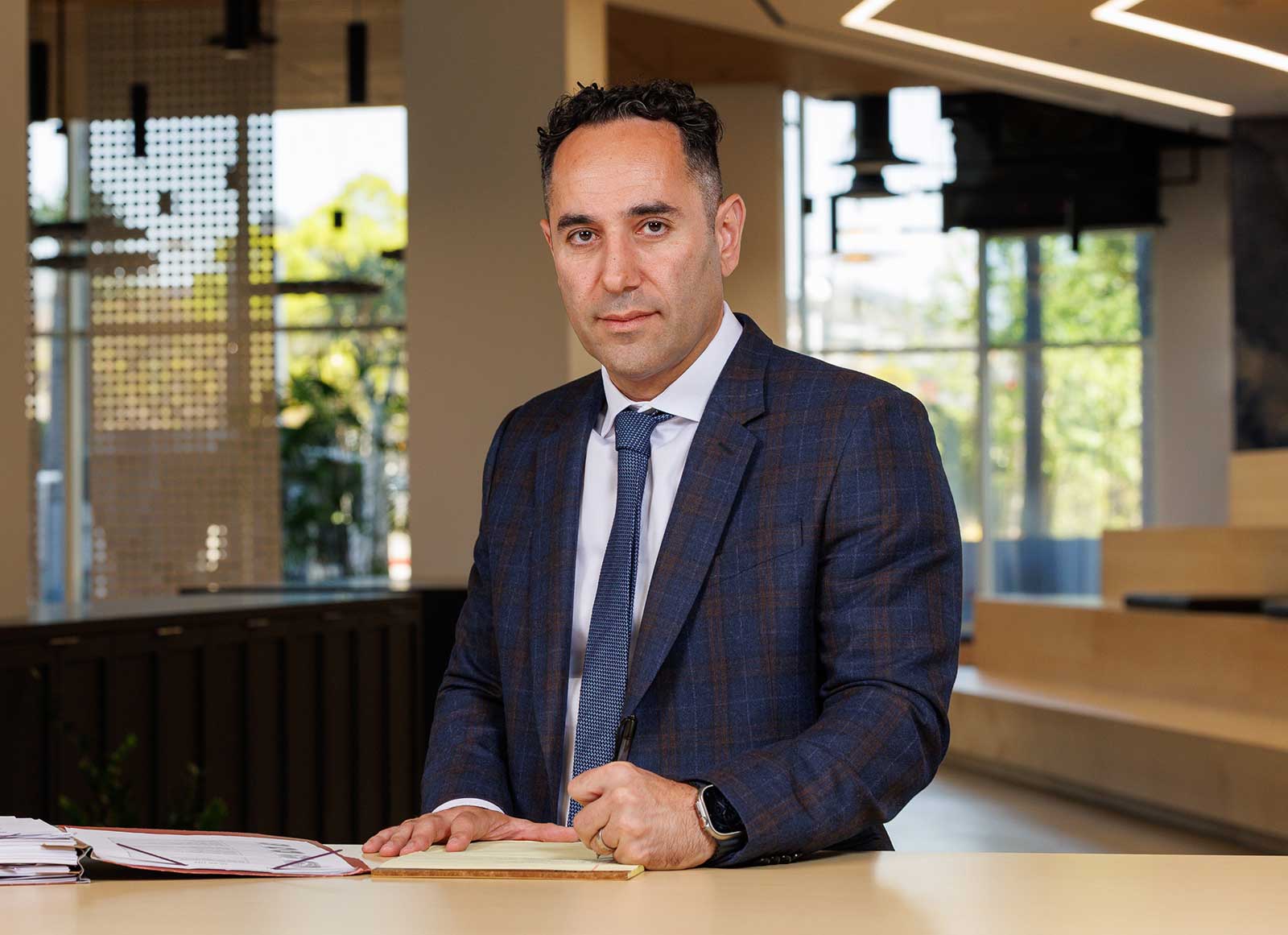
Attorney Martin Gasparian offers a free, confidential consultation to families who lost a loved one at a California rehab facility.
Call us today or fill out a free case review form.
There’s no obligation for your meeting. However, if you need our help, you don’t have to find the money to hire a lawyer at such a difficult time. We are only paid if we win your case for your family. Then our fee comes out of the settlement a drug care facility must pay your family.