
A spouse, domestic partner, or children of the victim of a tragic rehab overdose would have first right to file a wrongful death claim and collect support.
Parents who were financially dependent on their adult child (the deceased) could also join the claim.
If a victim had no spouse or children, both divorced parents could file a claim. Estranged parents would have the right to file, but their ability to collect support for some non-economic damages may be affected.
Wrongful Death Laws After an Overdose Death
When a rehab facility allows a patient to overdose and die, facility owners can be held liable. A facility may be to blame for allowing drugs into a treatment center. They could face financial responsibility for failing to monitor a patient closely enough.
Families can file wrongful death claims to collect support for the hardships a negligent facility has left them with.
That right would usually first fall to:
- A spouse
- A registered domestic partner
- Children of the victim
California’s Code of Civil Procedure CCP 377.60. goes over the spouse and children’s ability to file a claim. The code also examines when parents could participate in the wrongful death claim and what happens when a victim had no spouse or children.
In California, it’s usually one person filing on behalf of the rest of the family and other beneficiaries. Parents of an adult who overdosed on fentanyl and died in a drug rehab facility could join in a wrongful death claim. They would need to be financially dependent on the victim to participate and collect support.
See: Who can file a wrongful death drug rehab claim?
Divorced Parents Filing a Wrongful Death Claim
Beyond being financially dependent on a deceased adult child, parents can also file a claim if the victim had no spouse or children.
If the parents were divorced, both could seek justice and collect support. One would usually file a wrongful death claim on behalf of all remaining family members. The money would be distributed to both parents after a settlement was reached.
Parents could earn this and other support from a negligent rehab facility:
- Money to cover funeral costs.
- Money to pay off remaining medical and emergency response bills.
- Replacement of the paychecks a loved one may have supported the entire family with.
- Money representing the income parents would have continued to receive had their child lived and continued working. Parents would need to prove that they would have continued to receive support from a child in the future.
- Support for the loss of care, protection, security, and companionship a child can no longer provide.
Can Estranged Parents File a Wrongful Death Claim?
Yes, just like divorced parents, estranged parents who had little contact with an adult child before they overdosed and died could seek support.
The estranged parents of an adult child who had no spouse or children could file a lawsuit against a negligent drug treatment clinic.
The state of the parent/child relationship before a tragic death wouldn’t affect the parent’s ability to file a wrongful death claim.
The lack of contact and interaction could affect the parent’s ability to seek non-economic damages such as lack of care and companionship. It might be argued that an estranged parent wouldn’t have enjoyed these benefits in the future anyway, since they had no contact with a child.
However, a California rehab facility wrongful death lawyer working for parents would fight back on this belief. A skilled attorney would show that parents may not have had contact with a child, but that had no bearing on the love they felt. Estrangement also doesn’t mean the parties couldn’t have reconciled in the future.
Seeking Evidence Against a Negligent Drug Rehab Center
California drug rehab owners and operators often promise families that their loved ones will be in a “drug-free” environment and under constant monitoring.
Unfortunately, when a patient can get their hands on a drug like fentanyl and manage to find the unsupervised time to overdose, it means a facility didn’t hold up their promises.
Families have the right to file wrongful death claims and ask corporate owners to accept some of the costs associated with a tragic death. Unfortunately, this support isn’t guaranteed. The facilities’ corporate lawyers will work hard to blame a tragic overdose on the patient and try to obscure evidence that shows otherwise.
Evidence will be key in forcing a facility to accept blame and provide support to a grieving and financially-strapped family.
A Drug Rehab Negligence Lawyer would conduct a full investigation into an overdose and collect this evidence and more:
- Monitoring records showing negligent supervision
- Surveillance video showing security breaches allowing drugs into a facility
- Medication records
- Hiring records to reveal any unqualified employees and evidence of understaffing
- Cellphone and email records
- Evidence of delays in calling 911 and, in turn, delaying an ambulance
- The findings of an internal investigation
- The medical examiner’s medicolegal death investigation report or a coroner’s findings
Contact Us if your Loved One Was Allowed to Overdose
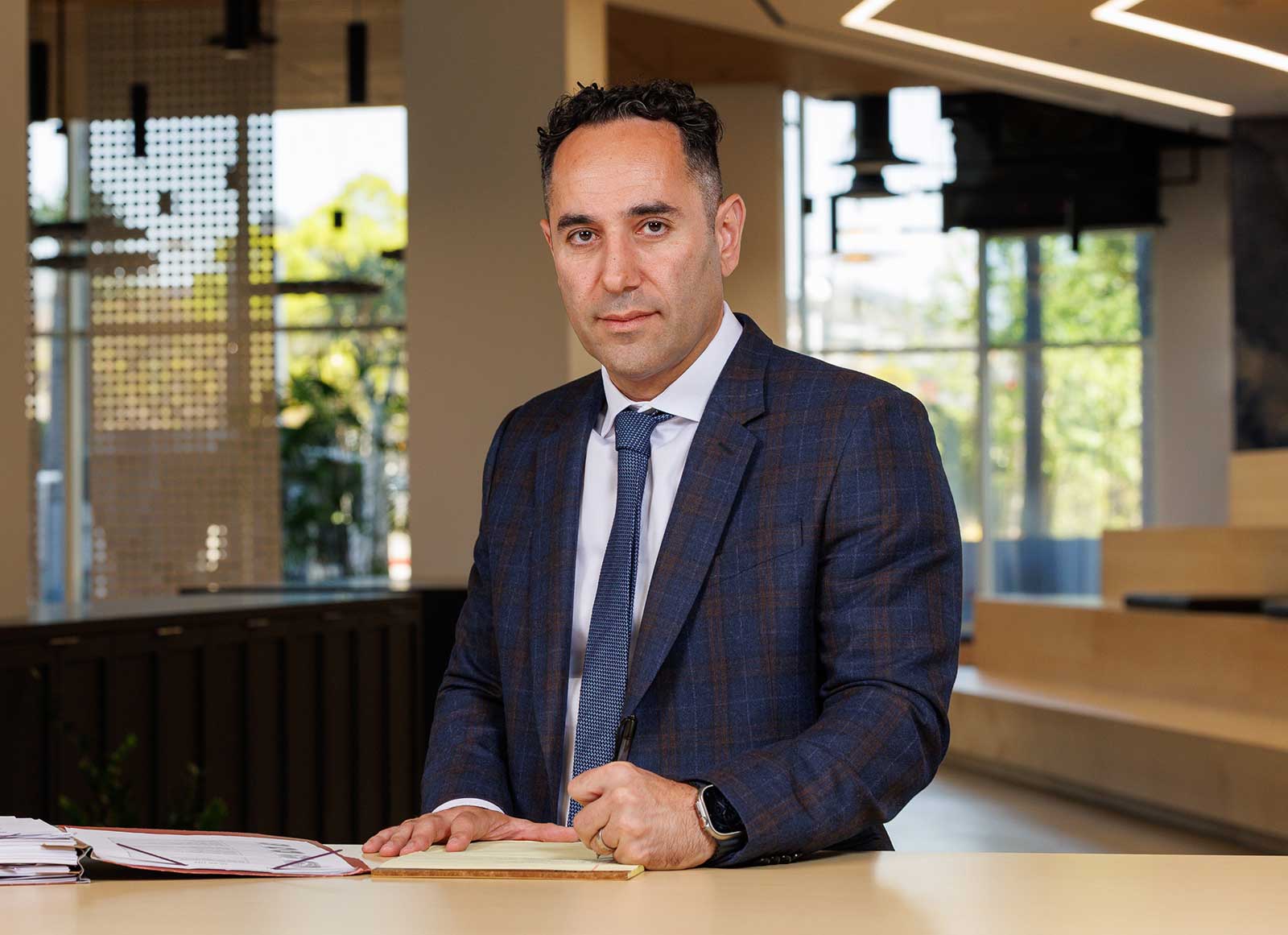
Attorney Martin Gasparian offers a free, confidential consultation to all family members who have lost a loved one at a California drug rehab facility.
There’s no obligation for a free case review. When families need our help to hold drug treatment centers accountable, they don’t have to worry about how they’ll afford a lawyer. There are no upfront costs to hire us. We don’t get paid unless we win your case. Then our fee comes only from the settlement a drug rehab facility must provide.
Mr. Gasparian can help represent all members of a family left behind after a tragic overdose death. We seek full justice against a negligent facility.