
Families who have lost a loved one to a drug rehab overdose may seek legal representation only to be turned down.
Many lawyers have no experience with negligent drug rehab claims and are afraid to take on the large parent corporations that run them. They may also falsely believe that drug rehab patients are to blame for their overdoses, which is not true.
Drug treatment centers agree to care for and protect patients. When they allow someone to die, facilities can be held fully liable.
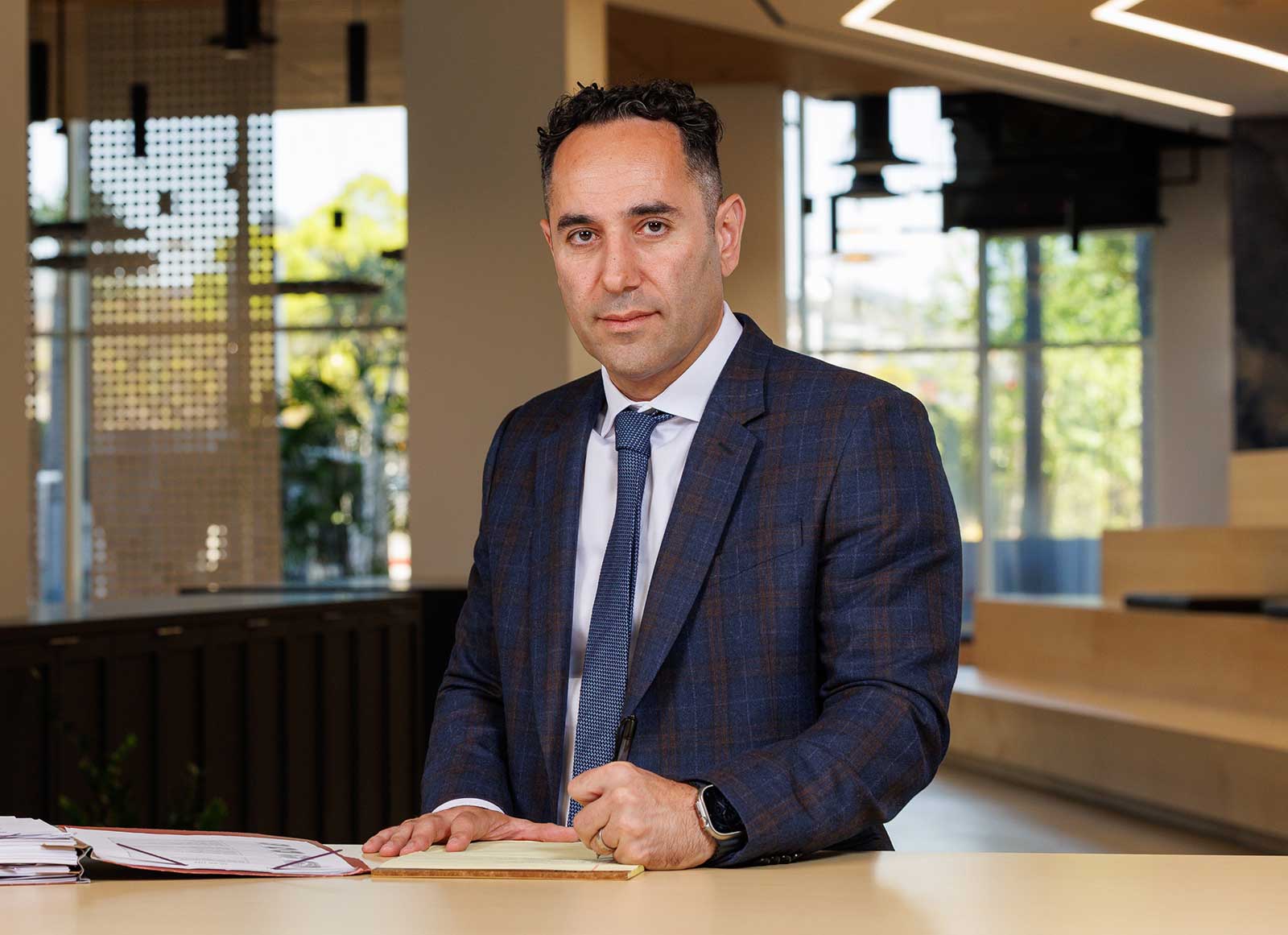
Martin Gasparian seeks justice for victims and puts pressure on drug rehab facilities to accept blame and provide support to families. Contact Mr. Gasparian for a free case consultation and second opinion if your family’s case has been turned down.
Why Lawyers Sometimes Reject Drug Rehab Negligence Claims
Lawyers can refuse cases for many reasons, and it’s not always dependent on the strength of the case. Attorneys can turn down a case because they don’t feel it’s worth enough to spend their time on.
We believe helping families who have been traumatized by a tragic death is always worth the time. Beyond being a just cause, wrongful death cases deal with devastating loss and rightly earn high levels of support for those left behind.
An inexperienced lawyer may also feel your family doesn’t have the evidence to prove a rehab facility’s negligence. But that’s before they’ve conducted a full investigation and gone after internal documents that might clearly show negligence inside the walls of a treatment center.
After being rejected by a law firm, you may feel alone in insisting your loved one should have gotten better care. But we want to stand with your family and see that a facility is held 100% liable for its negligence.
Medical Malpractice and Negligence Case Concerns
Law Firms with inexperienced staff can also shut the door on claims, worrying there may be limits on how much they can earn for themselves and the family.
This concern usually stems from the fact that medical malpractice claims (claims involving a medical mistake) have caps on how much families can be awarded. It means less for lawyers too, who would usually be paid a percentage of a settlement.
California’s Medical Injury Compensation Reform Act (MICRA) limits the compensation families can earn for non-economic damages. Non-economic damages in this case would mean the pain the patient experienced before death and the emotional trauma caused for families. Families could earn some support for what a loved one went through and what they’ll have to cope with, but the award couldn’t go over a certain amount. (Economic damages are not capped)
See: The difference in a Medical Malpractice case after a rehab overdose.
The Solution: Experienced lawyers know about this difference, but they also know that cases filed as normal negligence claims wouldn’t be limited in the same way. Cases based on the negligence of staff members wouldn’t have a cap on economic or non-economic damages, allowing for a potentially bigger settlement.
It would be up to a skilled attorney to frame a case as a standard negligence claim and not a medical malpractice case. This way, families could earn the maximum in support for their financial damages and the emotional devastation they face.
Evidence Needed for a Successful Drug Rehab Wrongful Death Claim
Getting a second opinion from an experienced attorney can make all the difference. A real California rehab facility wrongful death lawyer will know what details to look for that can build a strong case.
- A toxicology report showing that a patient took drugs inside a facility that’s promised to be“drug-free.”
- Staff logs showing how long a patient was in an overdose before being discovered.
- Phone records and 911 records showing delays in staffers calling for an ambulance.
- Medication records indicating that NARCAN wasn’t administered fast enough, or a second dose was skipped.
- Monitoring logs showing that a patient was allowed to recover while unsupervised and perhaps died of unnoticed heart issues or due to asphyxiation after being allowed to choke on their own vomit.
- Brain injuries demonstrating how long a patient was left to sit without getting oxygen to the brain
- The facility’s own internal investigation results indicating a staff member’s mistake.
- The results of a criminal investigation from a local police or sheriff’s department indicating negligence in security.
This is just the start of a proper investigation. All of this evidence can be there for the taking, but if families don’t seek a second opinion after being rejected, they can miss out on tens of thousands of dollars in support for their futures.
See: Isn’t an overdose the patient’s own fault? Why treatment centers are still liable
Contact Us If a Lawyer Has Turned Down Your Fatal Overdose Case.
Attorney Martin Gasparian offers a free, confidential consultation to help California families stay informed of the rights they have. Mr. Gasparian can also go over the potential mistakes another lawyer made and offer families hope of holding a rehab owner liable for the death of a loved one.
It’s a no-risk way to learn how to hold a treatment center fully responsible for a tragic overdose and death.
Call us today or fill out a free case review form to schedule a free second opinion consultation.
And if you need our help, families who have been put through so much never have to worry about how they’ll pay a lawyer. If you hire us, we aren’t paid unless we win the case. Then our fee comes out of the settlement check a facility must write for the family.