
Sober Living Homes have a responsibility to admit residents they can help and to refer patients who need more advanced care and supervision to facilities that can offer a higher level of treatment.
When Sober Living Homes accept residents who may be at risk of relapse or suicide, they take on the legal duty to monitor those residents more closely to prevent a tragic outcome.
When a resident is allowed to harm themselves, families are empowered to seek justice and support through a lawsuit. Your loved one wasn’t at fault. The Sober Living Home must take responsibility for a tragic suicide.
To find out more, call us today or fill out a free case review form.
The Promises of Sober Living Homes That Fail Families
Sober Living Homes (or recovery residences) in California generally aren’t licensed by the state. They offer peer support and a supposedly safe residence where Substance Use Disorder (SUD) sufferers can continue recovery. It’s often the next step after they’ve completed a stay at a licensed drug rehab facility regulated by California’s Department of Health Care Services (DHCS).
Sober living homes can’t offer medical care or clinical counseling. However, they do make certain promises to prospective residents and their families. They’ll generally promise an environment that’s drug-free and alcohol-free. They promise a lifestyle with rules and accountability. They promise support from other recovering SUD residents and a house manager.
They likely also assure families that a patient who may be at risk of a relapse or of harming themselves will receive supervision to prevent injury or a tragic death.
Evidence of Negligence at a Sober Living Home
Unfortunately, recovery residence operators can fail in the basic care they offer and promise, and put those with suicidal thoughts at additional risk.
These are just a few of the ways a Sober Living Home’s negligence can contribute to a tragic death of a resident:
- Resident screening: Sober Living Homes must thoroughly assess the state and condition of potential residents. If a patient is at extreme risk of suicide, Sober Living operators must withhold admission and help patients seek more acute care from a licensed dual-diagnosis center.
- Marketing promises: Sober Living Homes will promise SUD sufferers and their families 24/7 supervision, accountability, and drug-free living. The promises on their websites can be broken, leading to a tragic suicide and legal liability for Sober Living owners.
- Failed Supervision: Sober Living Homes help recovering SUD patients by offering constant group accountability and monitoring from a house manager. Operators should provide supervision so that signs of suicide risk can’t be missed and action can be taken. That action can be stronger monitoring or a move to a licensed facility with medical care and professional counseling available.
When these and other safety precautions aren’t taken, and patients are allowed time alone long enough to take their own lives, it’s a clear indication that a Sober Living Home failed in its mission. It’s also more than enough to help the family left behind file and win a legal claim against negligent recovery residence owners.
See: Suicide in a Dual-Diagnosis rehab facility.
Support Available for Families After a Sober Living Suicide
Families must seek justice for a loved one lost while staying in a negligent Sober Living Home.
They may also immediately need financial help to cope with the bills and cost-of-living expenses they’ll suddenly face and will have to contend with in the future.
A California Sober Living Suicide Wrongful Death Lawyer can file a claim on behalf of grieving family members and demand support:
- Support to pay all burial costs.
- Replacement of the income the deceased may have supported the family with.
- Support for the loss of love, guidance, and security a victim had always provided.
- Support for the loss of companionship parents must cope with after losing a child to suicide in an adolescent rehab home.
- Support awarded for the important life events that families now won’t experience with their loved ones. This can include holiday gatherings, weddings, and the birth of children.
Contact Us if Your Loved One Died in a Sober Living Home.
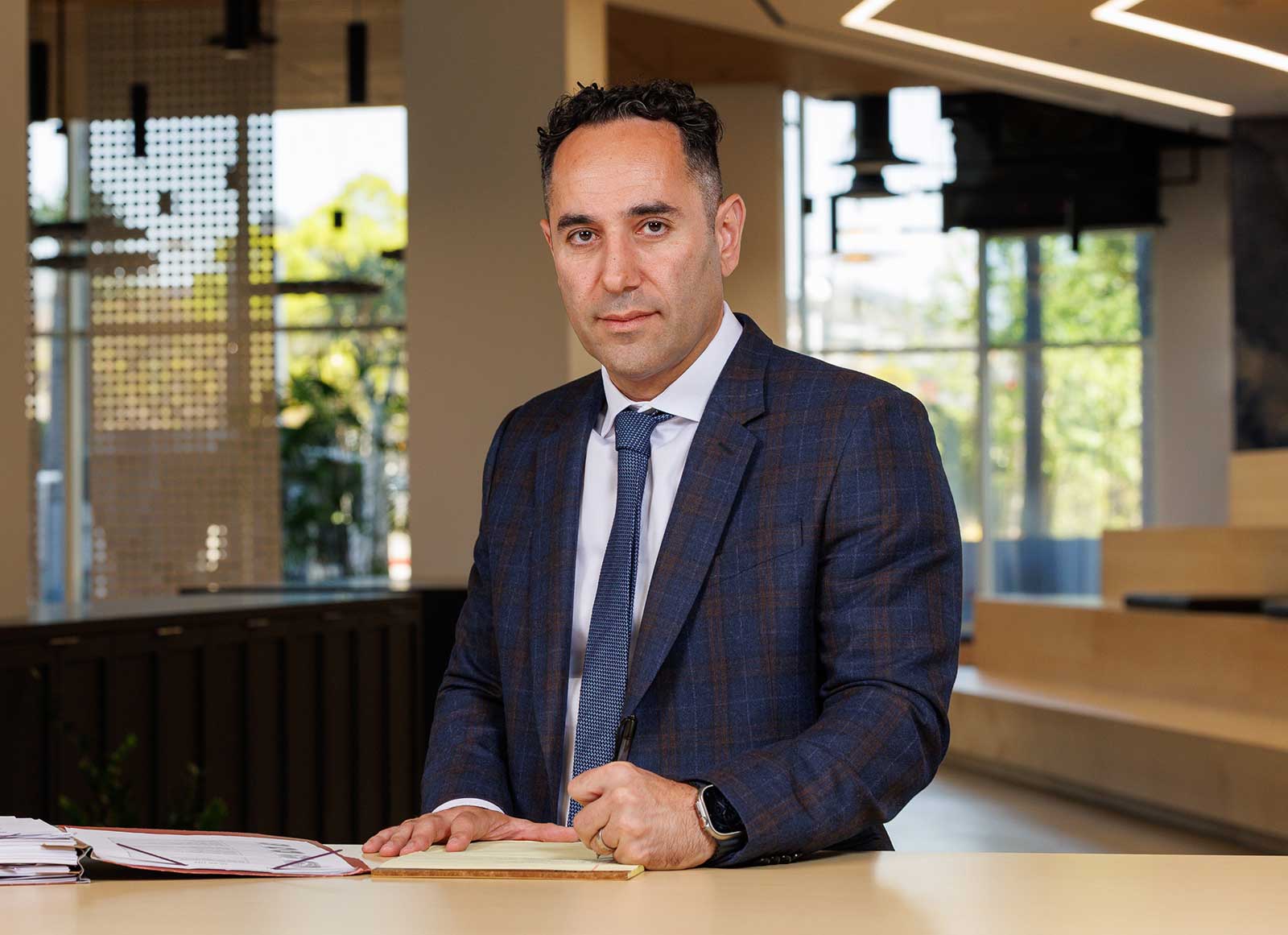
Attorney Martin Gasparian offers a free, confidential consultation to all families after a loved one was allowed to take their own life in a California sober living home. We can also help families gain support even if a recovery residence was shut down after a tragic suicide.
Call us today or fill out a free case review form.
There’s no obligation for this meeting. But remember, if you find you do need our help, your family doesn’t have to worry about how they’ll pay a lawyer. We are only paid if your wrongful death claim is successful. Then the attorney’s fee comes out of a settlement that a facility must pay your family.