
Facilities can fail in their use of ASAM testing during intake. It’s used to make sure patients get the right level in the right facility.
Negligent evaluations can mean patients don’t end up with the right level of medical care, medication, and monitoring to prevent a dangerous overdose.
Families can hold drug treatment centers fully liable if their misguided assessments lead to a patient overdosing and dying.
To find out how families can earn justice and support after a tragedy, please take advantage of a free case consultation. Call us today or fill out a free case review form.
The Duties of Rehab Facilities During Patient Intake
When patients are first admitted to a drug rehab facility, it’s a sensitive and critical step. Patients will have to be searched, along with their belongings, to make sure they bring nothing harmful, such as a drug (e.g., fentanyl, cocaine, or a prescription drug that’s involved in drug diversion).
During intake and before, facilities will also investigate the state the patient is in. Where their Substance Use Disorder (SUD) stands currently and the type of care they may need.
That can often mean deciding if a patient can recover with peer group care and counseling in a protective environment (like a sober living home). Or if they require medical care with access to doctors and legal prescription medicines. They may need a higher-level drug detox clinic.
To help determine the needs of the patient, many facilities use American Society of Addiction Medicine (ASAM) standards. It’s a type of test. In some facilities, the assessment isn’t used, but this can be dangerous for vulnerable patients. They end up without the care they need and dive into a life-threatening relapse.
ASAM Level of Care Guidelines for California Patients
The Department of California Health Services (DCHS) licenses most drug rehab facilities in California. Part of that licensing requires facilities to adopt the ASAM Levels of Care standards or a similar code of conduct.
The ASAM guidelines help providers evaluate a person’s needs and recommend the right level of treatment. It’s an evaluation used in rehab centers across California to help gauge patients’ level of SUD, while also going over their mental health.
The levels of care should help answer questions like, “should this patient be in a 24/7 medical facility or in a non-residential program?” In some cases, testing may show a patient needs to receive care in a dual-diagnosis drug rehab facility.
Unfortunately, this process can be rushed. Facility owners and operators may also purposely take in a patient without a thought for their real needs. This is done to help fill beds and boost profits.
Patients who get a level of care well below what they need to get better can pay a price with their lives. It’s why facilities are fully liable when this happens.
Evidence of a Patient Going to the Wrong Rehab Facility
The signs that staff members weren’t qualified or had the training to treat your loved one are usually there. But this evidence can be difficult to obtain.
A California rehab facility wrongful death lawyer can take up the investigation for the family left behind. A skilled lawyer uncovers the important indicators that a facility admitted a patient they had no business caring for. A lawyer can make legal requests for the facility’s corporate lawyers to turn over important proof they may be trying to conceal.
The evidence may include these and other documents and records:
- Records showing that the ASAM testing wasn’t done or wasn’t accurately undertaken.
- Evidence that your loved one needed a more expert level of care.
- Signs that your loved one wasn’t checked on frequently enough, shown in Q15 logs.
- Evidence of negligent supervision, perhaps involving room searches that weren’t carried out.
- Indications there weren’t any real doctors on staff or in the building.
- Evidence that your loved one wasn’t monitored closely enough after overdosing on Fentanyl and receiving NARCAN.
- 911 records showing that an emergency call was made too late.
- Medication records.
- A failure in security to keep drugs and unsafe visitors out of a facility, perhaps shown in surveillance footage.
This and other evidence can lead to a strong wrongful death case. Families will still be grieving, but they will likely need help paying for an expensive funeral and covering leftover medical costs.
An experienced attorney can make sure they receive full support for these and other hardships. That includes the replacement of the income a loved one may have provided to family members, such as a spouse and children.
Contact Us if Your Loved One Was Killed by an Overdose in a Drug Rehab
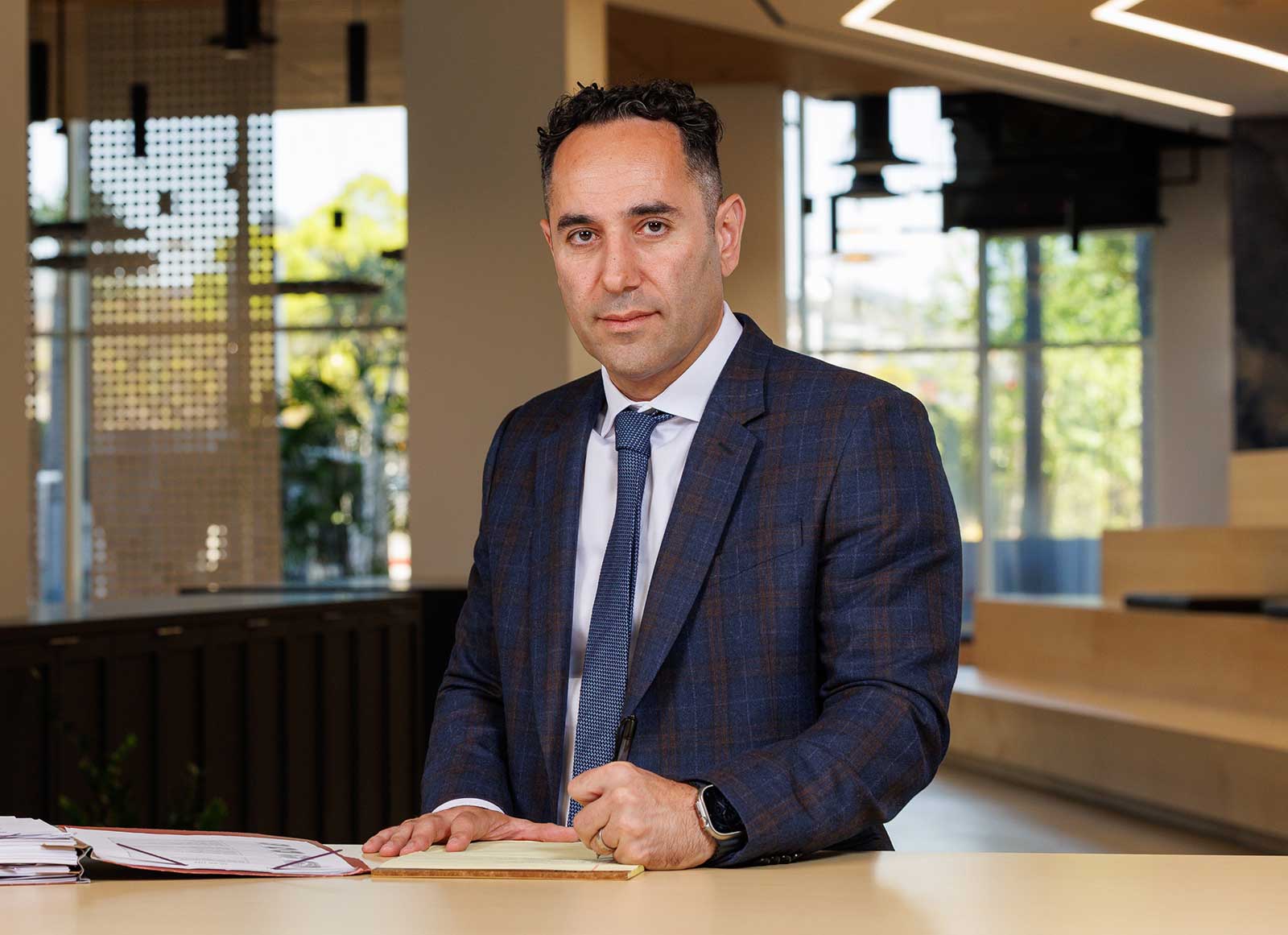
Attorney Martin Gasparian offers a free, confidential consultation to families who lost a loved one to an overdose allowed at a California drug rehab facility.
We will go over all the facts and help family members determine if they could earn more with legal representation.
There’s no obligation, but all families should be informed that there are no upfront costs to hire a skilled lawyer. We don’t get paid unless we win your case. Then our fee comes out of the settlement that a drug rehab facility must provide.