
After a death at a California drug rehab, facility operators must alert the DHCS within one working day.
The facility must also submit a written report within seven days of a deadly accident. The report should include the time and date of the incident, the victim’s name, and a detailed explanation of how it happened.
Families seeking to hold a negligent facility responsible for a tragic death will want a copy of this report and others to serve as evidence for a wrongful death claim.
A patient who dies while in the care of a drug rehab facility is not to blame. Families can contact a skilled attorney for a free case consultation to find out how to force a drug rehab to accept liability.
Reporting an Overdose Rehab Death to the DHCS
The Department of Health Care Services (DHCS) licenses drug rehab facilities in California. They are also in charge of documenting tragic deaths at rehabs and investigating negligent facilities.
After a fatal accident, such as a deadly fentanyl overdose, facilities must report what happened. A phone call or an email report must be made to the DHCS Licensing and Certification Division within one working day of the accident.
These are the situations the facility must report:
- Death of any resident of a licensed facility, even if the fatality occurred off property
- Death of any person at the licensed facility or certified program (e.g., security staff, clinical staff)
- Injury of any resident that requires emergency medical treatment
- Incidence of a communicable disease
- Poisonings
- Catastrophes such as flooding, tornado, earthquake at the facility
- Fires or explosions at the facility
These incidents must also be reported to a local health official, likely with the local city or county.
The Written Report After a California Rehab Death
Once immediate reporting is done, facility owners and operators will begin creating a longer, more complete report that’s due within 7 days of a heartbreaking death.
To fulfill this mandatory duty, facility representatives fill out the DHCS INCIDENT, INJURY OR DEATH REPORT document (form 5079).
The report should include the basic information identifying the victim and the time, date, and location of the fatal accident. A more thorough explanation of what happened should also be included.
This report should provide some clarity on how a patient died and possibly hint at some of the mistakes that staff made that contributed to a tragic accident.
BEWARE: Lawyers for the facility will be wording these reports carefully, doing their best to remove blame from the owners of the treatment center. They often try to blame a fatal accident on the patient, or just chalk it up to an unavoidable medical emergency. Do not let this stand!
See: When a Facility Tries to Blame a Patient Death on a Medical Emergency
Getting Copies of a DHCS Death Report
The DHCS report will be a key piece of evidence for families seeking justice for a deceased loved one. And families have every right to see the document and get a copy for any legal action.
Under California’s Public Records Act, the patient’s authorized next of kin can request a copy from the DHCS. Information on family members would be available by making a request through the mail, by email, or over the phone.
Licensing and Certification Division SUD Licensing and Certification Section
PO Box 997413, MS 2600
Sacramento, California 95899-7413
Tel: (916) 322-2911
Email: LCDQuestions@dhcs.ca.gov
Getting Information from the Drug Treatment Clinic
California Health and Safety Code (HSC 123100 -123149) also gives family members the right to demand all records and documents regarding a loved one.
Families can request these records and should be able to view them within 5 days. They are also supposed to get copies of the documents within 15 days.
This evidence would include the DHCS death report. It might include the results of the parent company’s investigation into what happened. Security logs could be included along with monitoring records showing how often a vulnerable patient was checked on.
Keep in mind, an experienced California Rehab Facility Wrongful Death Lawyer could handle the retrieval of all of these documents from the DHCS and the facility in question. A skilled attorney would also file a spoliation letter with the facility informing them to preserve certain evidence that might end up thrown away or erased (e.g., surveillance video).
See: Consent for federal personal medical information (42 Code of Federal Regulations CFR Part 2).
Contact Us if Your Loved One Was Allowed to Die in a California Rehab
After a tragedy, families can hold facility owners liable for funeral and burial costs, medical bills left behind, and the income that a loved one supported the family with.
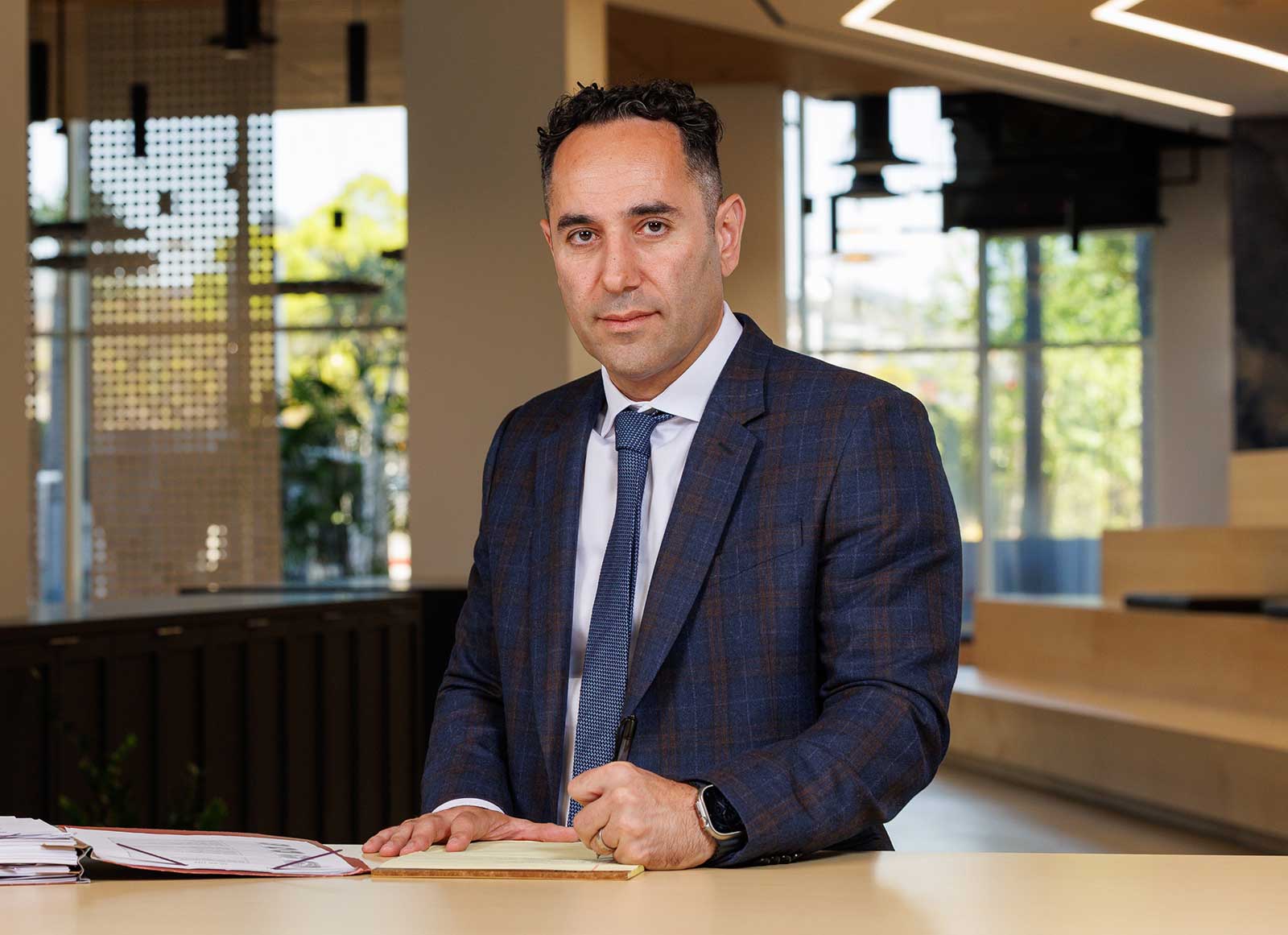
Attorney Martin Gasparian offers a free, confidential consultation to all family members. It’s a no-risk, no-obligation way to find out what a wrongful death case would be worth and how to hold a negligent drug treatment program fully responsible.
Remember, there are no upfront costs to you and your family if you need to hire a lawyer. We aren’t paid unless we win your case for you. Then our fee comes out of the settlement check a negligent recovery business must write.