
California’s AB 1356, or “John’s Law,” requires drug rehab programs to report information they uncover after a fatal incident. This is often information that wasn’t available for a mandatory initial report.
Families deserve to hear all information regarding how their loved one died, and facilities should never withhold their investigation results.
Families can definitely use this information and evidence to back a wrongful death case against a negligent drug rehab facility. When patients die at drug treatment centers that are responsible for their safety, the patient is not at fault.
What Do Drug Rehab Clinics Have to Report After a Death?
In California, Alcohol and Other Drug (AOD) rehabs must quickly report accidents involving their patients. See: More on the initial reports drug rehabs must file after a death.
Within One Day: The Department of Health Care Services (DHCS) demands that licensed facilities report incidents by phone involving an injury or the death of a patient.
Death Report Within Seven Days: Within a week, facility representatives fill out the DHCS INCIDENT, INJURY OR DEATH REPORT (form 5079). The report will contain basic information on the victim, where it occurred, and an explanation of how the fatality occurred.
John’s Law (AB 1356) Within Two Months: This new amendment, taking effect in 2026, now requires facilities to provide a report within 30 to 60 days after the death. It should include information that may have come to light after the 7-day death report or information that was known but not included previously. The amendment is meant to strengthen the DHCS’s ability to access important documents and evidence when investigating a heartbreaking death.
John’s Law (named after a patient who tragically died in a drug rehab) forces facility owners to turn over information such as:
- Results of an internal investigation.
- Witness information.
- Medical records
- Results of a toxicology report
- Information on a Death Certificate
The DHCS uses this information to investigate how the facility contributed to a tragic and preventable overdose or withdrawal death. The DHCS can write the facility up for violations, take away its license, and issue fines.
A California drug rehab wrongful death lawyer can also use this information to help families build a strong wrongful death case. With the complexity of these cases, and the lawyers a large health network will bring to the table, families often come away with much more in support when having a lawyer of their own to count on.
Other Steps Families Take After a Rehab Overdose Death
Families can seek help with their funeral costs. They should receive assistance in paying any leftover medical bills. Loved ones should get support for the emotional trauma they’ve had to cope with. The income the victim may have provided to support the family should also be replaced.
But holding a negligent facility liable can be complex. It’ll take a lot of strong evidence. A facility that’s investigated by the DHCS isn’t automatically liable for the death, though.
To secure important evidence, a family lawyer would be writing a letter of spoliation. It’s a legal request for a drug program to preserve any evidence that might be relevant to a wrongful death lawsuit. It helps make sure evidence isn’t destroyed, even details that aren’t reported to the DHCS.
A lawyer can include a request for surveillance video in this letter. It’s an important way to demonstrate security lapses in a facility that allowed a drug like fentanyl into the patient’s area.
Monitoring logs can also be key, both paper and computer records. They can show how long patients went between bed checks, and how long victims may have sat unattended before an overdose or a cardiac issue was spotted.
Seeking a Negligent Rehab Lawyer’s Help
Please BEWARE: lawyers for negligent drug rehabs will try to blame your loved one for a tragic death. They also like to pass off a tragedy as simply a medical emergency.
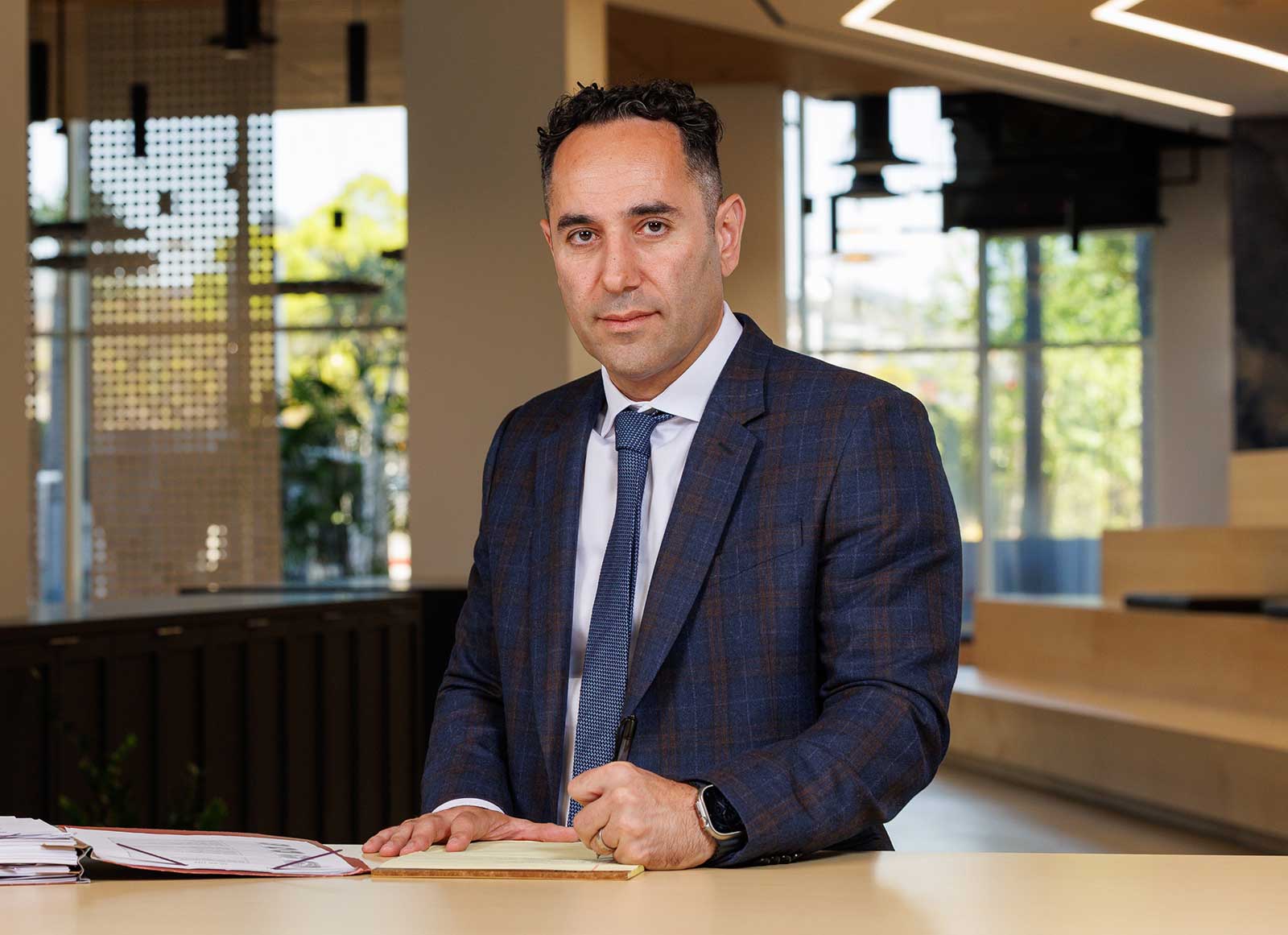
Martin Gasparian offers free case consultations to all families. He sits down with them in a no-obligation information session to go over what their case may be worth and how to hold rehab owners fully responsible.