
California rehab facilities take in patients recovering from fentanyl use and promise to monitor them and provide them with a drug-free environment.
When these basic promises of care aren’t met, patients who can fatally overdose on fentanyl aren’t at fault.
California allows families to file wrongful death claims against facility owners and seek support for their financial damages and for their hardships in the years ahead.
What Makes Fentanyl So Dangerous?
Fentanyl is a powerful synthetic opioid. It’s made in a laboratory. It is used as a pain reliever for medical patients. It is also sold illegally and allows those taking it to feel relaxation, euphoria, and confusion.
Many victims take Fentanyl without realizing it. Illegal drug makers often add Fentanyl to other drugs to increase potency.
It’s a drug that can be life-threatening in very small doses. Unfortunately, it’s a drug that most commonly finds its way into “secure” drug treatment centers. Victims who overdose can suffer permanent injuries or death in just a few minutes if not discovered and treated immediately.
- The National Center for Drug Abuse Statistics (NCDAS) reports that around 70% of all drug overdoses involve Fentanyl. In 2023, 72,776 deaths were blamed on fentanyl overdoses.
Negligence in a Fentanyl Overdose
There are many ways an inpatient drug rehab clinic can fail patients and be left liable for the consequences.
It starts with keeping fentanyl out of a facility. It extends to the proper reaction to an overdose if it happens, and the steps taken afterward to give the patient the best chance at recovery.
Negligent Security
Providing a drug-free environment for patients starts with strong security at the rehab facility. It means employing an adequate number of security staff to keep contraband off the premises.
It means an intake process for patients that includes thorough body searches. It means checking all visitors coming into a facility so that Fentanyl can’t be carried in. A staff member may be the one bringing drugs onto the grounds.
The very fact that a patient is able to get their hands on Fentanyl and overdose is proof that security was not strong enough.
Negligent Surveillance
Protecting vulnerable patients also requires constant monitoring and continued bed and body searches. Negligent surveillance of patients can give them time to obtain fentanyl, time to conceal drugs, and time to overdose.
A missed bed check or a failed face-to-face check-in can also allow a patient who has overdosed to sit longer without being found. This delay can result in an overdose that could have been stopped turning deadly.
A Failure in an Overdose Response
Facilities must have trained staff members who know what to do when overdose symptoms have been identified. They may have only minutes to take action to prevent permanent damage or a fatality.
- 911 must be called immediately, because survival often depends on the care paramedics and a hospital ER can provide.
- NARCAN must be administered as quickly as possible.
- Once an overdose reaction has been stopped, additional care is needed. Patients must be monitored for difficulties once NARCAN wears off. They may require another dose. Patients with respiratory issues could need rescue breathing. They will need to be kept on their sides in “recovery position” to make sure they don’t choke on vomit.
- Notification of family members and an immediate notification to California’s Department of Health Care Services (DHCS) in the event of a serious injury or death.
A failure in these and other critical steps can leave a facility financially liable for a serious injury and a wrongful death.
Evidence for a Negligent Drug Rehab Wrongful Death Case
Nothing can bring back a precious life after an overdose death is allowed. But California empowers families to seek justice and support for the future.
Unfortunately, that assistance is never guaranteed, and different cases earn different levels of support. Some cover all the future needs of the family, such as a spouse or children of the deceased, and other settlements leave families with many bills to cover themselves.
The parent companies behind drug rehab networks will also have teams of lawyers ready to blame an overdose on the patient. They will seek excuses to dismiss wrongful death claims and try to limit access to important evidence locked up in facility offices.
An experienced lawyer fully investigates a tragic death, the facility’s staff, and the facility’s records.
A lawyer also makes legal requests for all existing evidence that can include these details and more:
- Staff logs, monitoring logs (rounding logs)
- Medication usage and stockroom records
- Hiring records, and background check findings
- Security footage and sign-in sheets (proof that someone carrying Fentanyl was allowed in)
- Cellphone and phone records, 911 records
- Report from an internal investigation from the corporation
- Report from local police or sheriff’s department investigation
- Information from a medical examiner’s or a coroner’s report
Support Available for Families Who Lose a Loved One to Overdose
Families don’t have to have a lawyer to file a wrongful death claim against a drug treatment clinic. However, a skilled attorney is a great advantage when filing complex claims and going up against corporate lawyers.
A lawyer is also often able to secure much more for families than they could by filing wrongful death claims themselves.
This additional support is often earned because a lawyer will have knowledge of every benefit available to grieving families and demands that support and more.
- Support to pay all funeral expenses.
- Replacement of the income the deceased may have supported the family with.
- Support for the loss of love, guidance, and security a victim had always provided.
- Support for the loss of companionship parents must cope with after losing a child to an overdose in an adolescent rehab facility.
- Support for the important life events that families won’t be able to enjoy with their loved ones. This can include holiday gatherings, weddings, and the birth of children.
- Punitive damages.
These are penalties sometimes issued by a judge and jury against a facility that showed gross negligence in its care for patients. It’s an extra punishment that’s meant to discourage such reckless behavior again. They aren’t assessed for the family’s benefit, but families receive any money paid through fines.
See: The difference between standard negligence and medical malpractice (MICRA) cases
Contact Us If a Rehab Center’s Negligence Claimed Your Loved One.
You may feel you are the only one standing up for a family member who was lost to a preventable Fentanyl overdose while in a California drug rehab. But you aren’t alone.
We completely agree that your loved one wasn’t at fault for an overdose and want to help your family seek justice. Negligent facilities need to be held fully accountable.
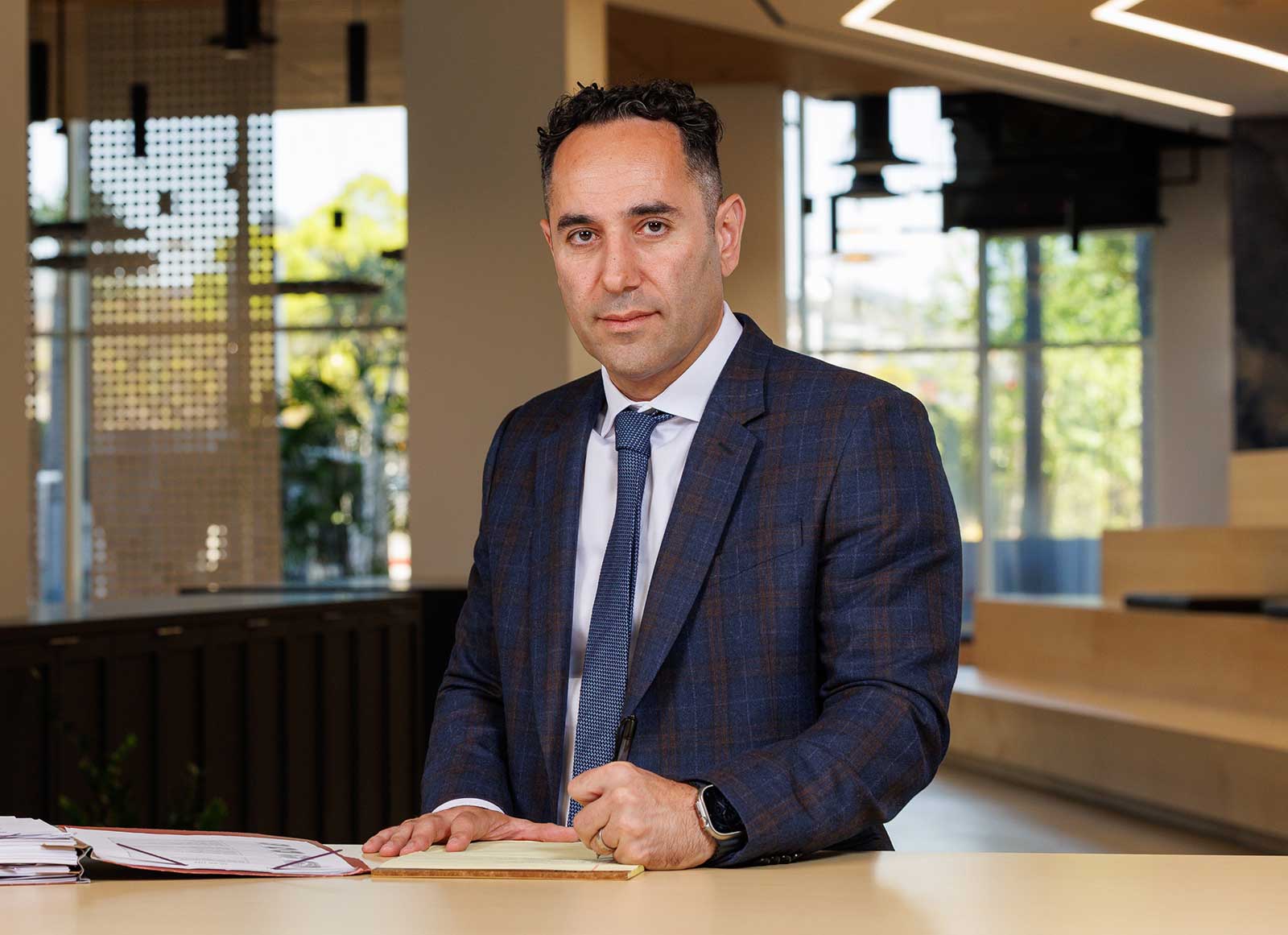
Attorney Martin Gasparian offers a free, confidential consultation to all family members so they can go over all of their options.
Call us today or fill out a free case review form.
Related Topics
How did fentanyl get into a locked rehab facility?
Failure to search patients and belongings for contraband
Drug dealing and diversion inside a treatment facility
No naloxone (Narcan) on site: near-per-se negligence
Are rehabs liable if someone smuggled in fentanyl?
Reading an Overdose Toxicology Report
What If a Death Certificate Is Still Pending?
The Death Notification Call: Medical Emergency
California Drug Rehab Laws Explained
Opioid Overdose Deaths By County
Fentanyl Rehab Deserts in California: A Study
Overdose Deaths in Women-Only Drug Rehabs
Discovery in Drug Rehab Wrongful Death Trials